#RightRisk #RiskInAg #AgRiskMgt
Category Archives: Getting Started in Ag
Getting Started in Ag: Alternative Forage Cropping Options in Wyoming
#RightRisk #RiskInAg #AgRiskMgt
Getting Started in Ag: Which Business Structure is Best?
#RightRisk #RiskInAg #AgRiskMgt
 CLICK here to read more
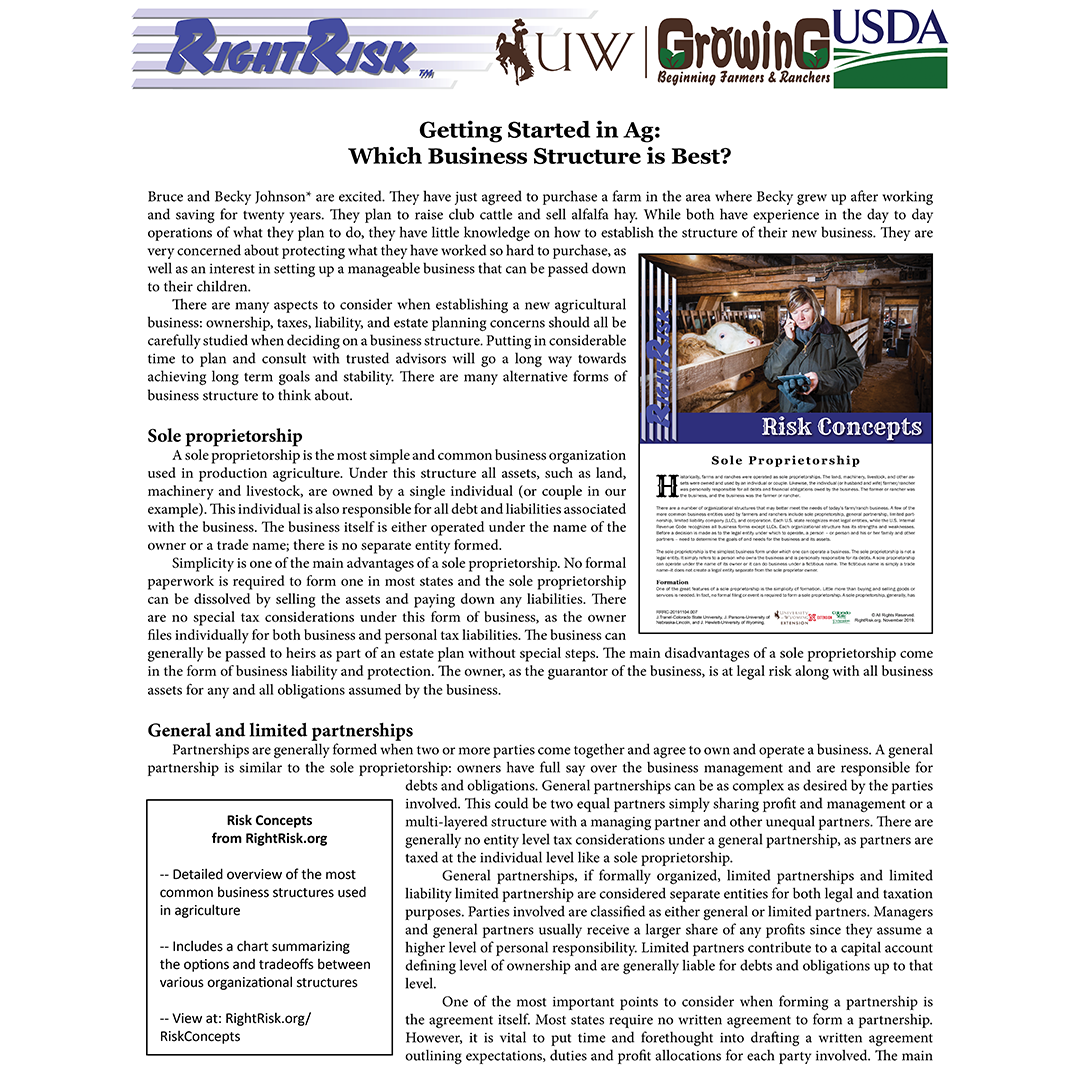
The Risk Concepts series offers information on each of the most common forms of business organization.
THERE ARE MANY ASPECTS to consider when establishing a new agricultural business: ownership, taxes, liability, and estate planning concerns should all be carefully studied when deciding on a business structure. Putting in considerable time to plan and consult with trusted advisors will go a long way towards achieving long term goals and stability. There are many alternative forms of business structure to think about.
Risk Concepts is a series of publications compiled by the RightRisk team and made available at: RightRisk.org. The series offers a separate, 4-page bulletin covering each of the most common forms of business organization. A summary chart compares and contrasts the alternatives to provide an overview of the choices involved.
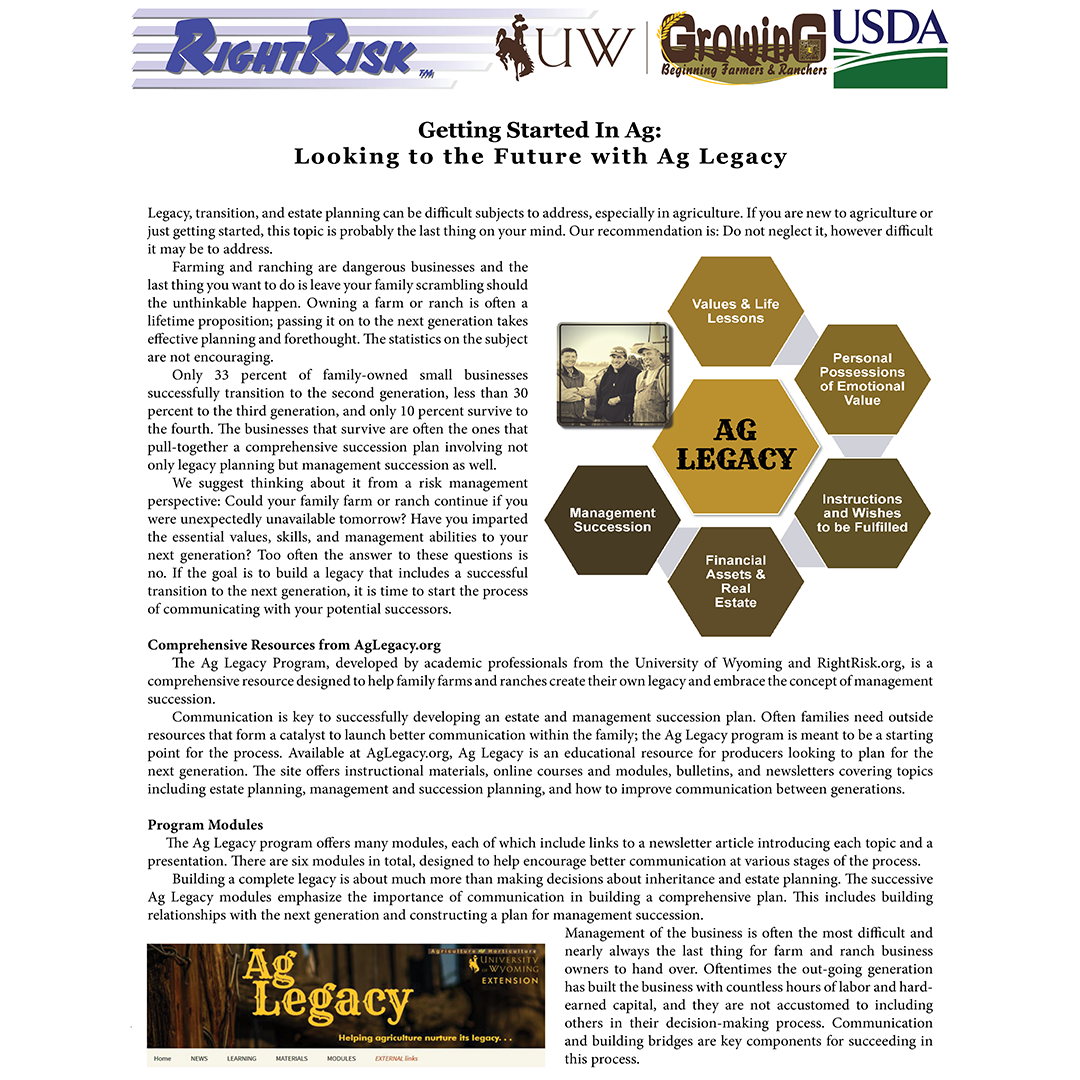
Getting Started In Ag: Looking to the Future with Ag Legacy
#RightRisk #RiskInAg #AgRiskMgt
 CLICK here to read more
LEGACY, TRANSITION, AND ESTATE PLANNING can be difficult subjects to address, especially in agriculture.
If you are new to agriculture or just getting started, this topic is probably the last thing on your mind. Our recommendation is: Do not neglect it, however difficult it may be to address. Farming and ranching are dangerous businesses and the last thing you want to do is leave your family scrambling should the unthinkable happen. Owning a farm or ranch is often a lifetime proposition; passing it on to the next generation takes effective planning and forethought.
Getting Started In Ag: Hay and Forage Production and Storage Methods
#RightRisk #RiskInAg #AgRiskMgt
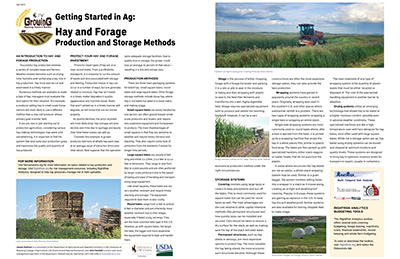
Getting Started in Ag: Thriving in a High-Interest Rate Environment
#RightRisk #RiskInAg #AgRiskMgt
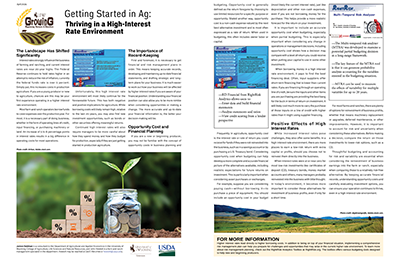
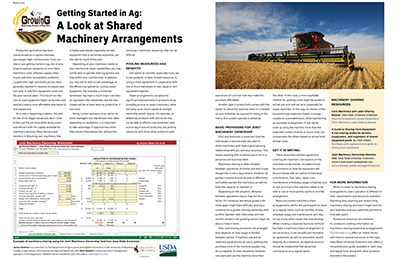
Getting Started In Ag: A Look at Shared Machinery Arrangements
Image
#RightRisk #RiskInAg #AgRiskMgt
 CLICK here to read more
JUST GETTING STARTED one of your largest expense categories is most likely machinery costs . . .
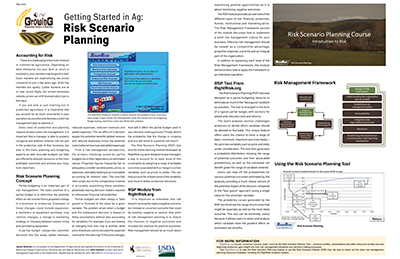
Getting Started in Ag: Risk Scenario Planning
#RightRisk #RiskInAg #AgRiskMgt
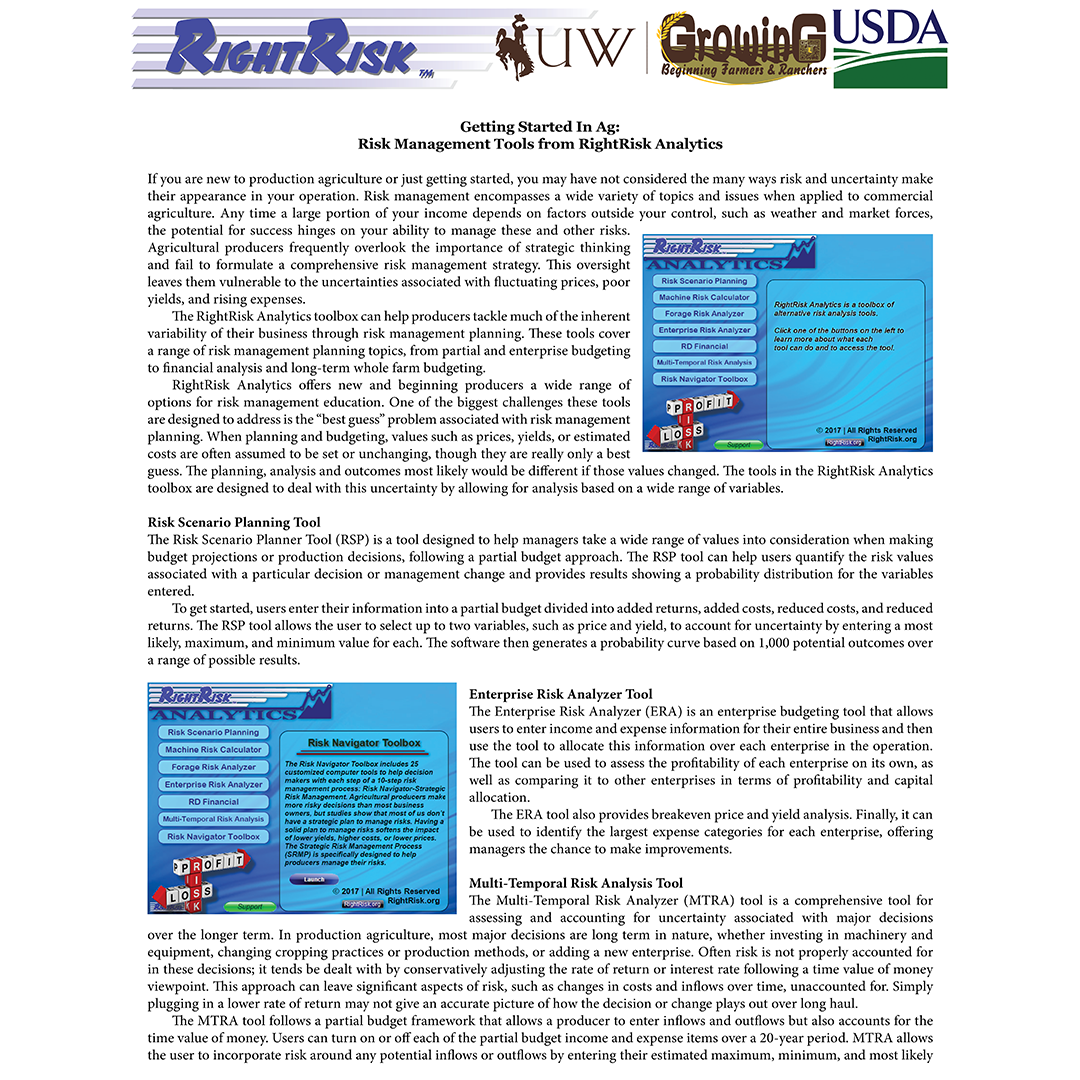
Getting Started In Ag: Risk Management Tools from RightRisk Analytics
#RightRisk #RiskInAg #AgRiskMgt
 CLICK here to read more
THOSE WHO ARE NEW to production agriculture or just getting started, may not have considered the many ways risk and uncertainty make their appearance in an operation.
Risk management encompasses a wide variety of topics and issues when applied to commercial agriculture. Any time a large portion of your income depends on factors outside your control, such as weather and market forces, the potential for success hinges on your ability to manage these and other risks. Agricultural producers frequently overlook the importance of strategic thinking and fail to formulate a comprehensive risk management strategy. This oversight leaves them vulnerable to the uncertainties associated with fluctuating prices, poor yields, and rising expenses.
Getting Started In Ag: Leasing Overview
#RightRisk #RiskInAg #AgRiskMgt